

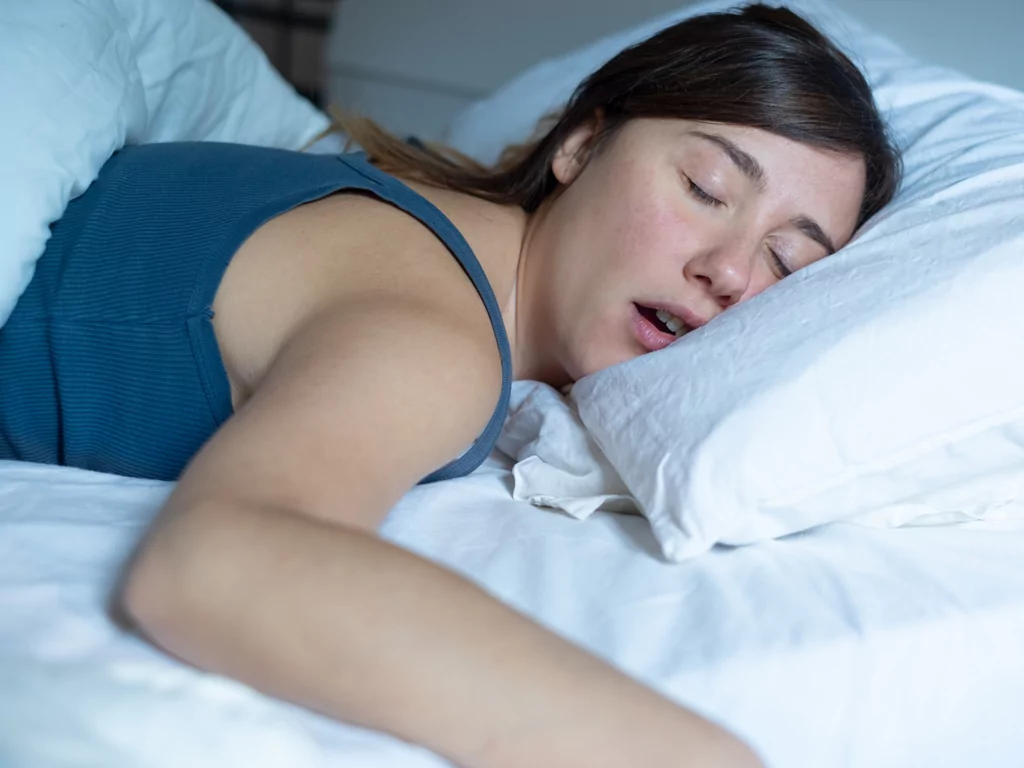
 What are the signs of sleep apnea in women? Unlike men, women often experience fatigue, insomnia, headaches, and mood changes rather than loud, disruptive snoring.
When people think of sleep apnea, they usually picture a loud, snoring man who gasps for air all night. This common stereotype is dangerous because it leaves many women undiagnosed. Houston Sleep Solutions wants you to know that sleep disorders do not always come with volume. Many women suffer in silence because their symptoms look nothing like the classic warning signs, leaving them exhausted and at risk for serious health issues without understanding why.
Understanding Obstructive Sleep Apnea
To understand why this condition is missed, it helps to understand what happens physically. Obstructive sleep apnea occurs when the muscles in the throat relax too much during sleep, blocking the airway. This blockage cuts off oxygen, signaling the brain to wake the body up just enough to take a breath. While this cycle can happen dozens of times an hour, the sleeper often has no memory of waking up. The result is a night of fragmented sleep and a body that is constantly fighting for air, leading to significant stress on the cardiovascular system.
Why Symptoms Differ for Women
Women often present with symptoms that are quieter and less obvious than their male counterparts. While men typically exhibit loud snoring and gasping, women are more likely to have “insomnia-like” symptoms. You might have trouble falling asleep, or you might wake up frequently during the night and struggle to settle back down. Furthermore, the sleep deprivation caused by apnea in women often manifests as mood disturbances. It is common for women to be misdiagnosed with anxiety or depression when the root cause is actually chronic, untreated sleep apnea.
Hormonal Changes and Life Stages
Biology plays a significant role in airway health. Younger women are somewhat protected by hormones like estrogen and progesterone, which help keep the muscles of the airway toned. However, during pregnancy, the physical pressure and hormonal shifts can increase the risk of developing apnea. The risk spikes significantly during and after menopause. As hormone levels drop, muscle tone in the throat decreases, making airway collapse more likely. Unfortunately, many women attribute their sleep issues solely to “the change” rather than investigating a treatable airway disorder.
Overlooked Daytime Indications
Because women are less likely to snore loudly, daytime symptoms become the most important clues. You might sleep for eight hours but wake up feeling as if you haven’t slept at all. Chronic exhaustion and fatigue are major red flags. Additionally, you might experience morning headaches, a dry mouth upon waking, or cognitive issues like brain fog and memory lapses. It is easy to dismiss these feelings as general stress or aging, but they are often the brain’s response to nightly oxygen deprivation.
The Importance of Testing and Treatment
Ignoring these signs can lead to severe consequences. Untreated sleep apnea increases the risk of heart disease, high blood pressure, and type 2 diabetes. It also weakens the immune system and lowers your overall resilience. The good news is that sleep testing is easier than ever, often involving a simple take-home device. Treating the condition improves mood, restores energy levels, and protects long-term health. For women in Pearland and Friendswood seeking relief, proper diagnosis is the first step toward waking up refreshed and reclaiming your vitality.
OUR LOCATIONS:
The Woodlands
6922 W Rayford Rd #100
Spring, TX 77389PHONE: 281-320-2000
