

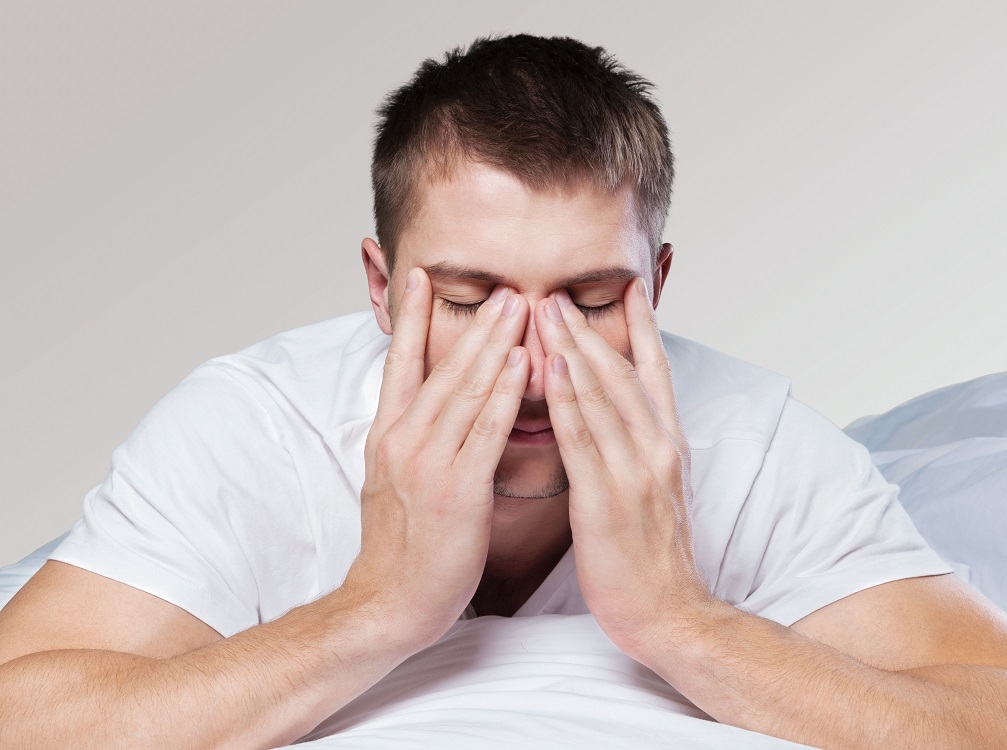
 What signs suggest you might have sleep apnea? Chronic exhaustion, morning headaches, and loud snoring often indicate sleep apnea, a condition where breathing stops repeatedly during the night, requiring professional treatment.
We often accept exhaustion as a normal part of life, assuming that feeling drained is just the price of a busy schedule. But “getting by” on poor sleep should never be your baseline normal. The new year offers a perfect opportunity to reevaluate your health priorities, and nothing impacts your daily well-being quite like the quality of your rest. At Houston Sleep Solutions, we believe that waking up refreshed isn’t a luxury, but a necessity for a healthy life.
Sleep Apnea vs. Snoring: Why the Difference Matters
Loud snoring is frequently dismissed as a harmless, albeit annoying, habit. However, there is a critical distinction between simple snoring and sleep apnea. Simple snoring occurs when air flows past relaxed tissues in your throat, causing them to vibrate as you breathe. Sleep apnea involves a physical obstruction that completely blocks airflow.
When these breathing interruptions occur, they silently disrupt your sleep cycle. While a snorer might continue breathing rhythmically, a person with sleep apnea stops breathing entirely for seconds or even minutes at a time. This difference transforms a noisy nuisance into a serious medical concern that requires attention.
What’s Actually Happening While You Sleep
During an apnea event, the soft tissue in the rear of the throat collapses, cutting off oxygen to the lungs. Your brain senses this drop in oxygen and sends an urgent signal to wake the body up just enough to gasp for air and reopen the airway.
You might not remember these micro-awakenings in the morning, but your body certainly feels them. This cycle can happen dozens or even hundreds of times a night. Instead of cycling through deep, restorative stages of sleep, your brain remains in a state of constant high alert. The cumulative toll of these interruptions prevents the physical and mental repair that should happen overnight.
Signs Your Sleep Is Working Against You
Because these interruptions happen while you are unconscious, you have to look for clues during your waking hours. Daytime fatigue is the most common indicator, often accompanied by brain fog, irritability, or sudden mood changes. You might feel like you haven’t slept at all, despite spending eight hours in bed.
Physical symptoms upon waking are also telltale signs. Many patients report morning headaches, a severely dry mouth, or a persistent sore throat. Ignoring these signs can lead to significant long-term health risks, including high blood pressure and cardiovascular strain.
Are You at Risk for Sleep Apnea?
Various lifestyle and physical factors can increase your likelihood of developing this condition. Excess weight, neck circumference, and alcohol consumption can all play a role. However, it is a misconception that only certain demographics are affected. Sleep apnea can affect people of all ages and body types, regardless of fitness level.
Getting Answers Without Guesswork
If these symptoms sound familiar, you do not have to guess about the quality of your rest. Specialized sleep questionnaires can reveal hidden problems, and modern medicine has made diagnosis easier than ever. Convenient at-home sleep studies provide accurate insights without the need for an overnight stay in a lab. Understanding your specific diagnosis is the first step toward effective treatment options.
Make Better Sleep Your Reality This Year
Treating sleep apnea changes everything about your day. Patients often report improved focus, higher energy levels, and better emotional well-being shortly after starting therapy. Beyond the immediate benefits, treatment supports better heart health and reduces the risk of serious medical conditions.
We proudly serve patients in Pearland and Friendswood with personalized care designed for deeper, healthier sleep. If you are ready to stop waking up tired, reach out to us today to explore your options.
OUR LOCATIONS:
The Woodlands
6922 W Rayford Rd #100
Spring, TX 77389PHONE: 281-320-2000
